Detailed Structural Evaluation for Property Owners
Structural engineer inspections are critical assessments conducted to evaluate the integrity and safety of buildings and structures. These inspections identify potential issues related to foundation stability, load-bearing elements, and material conditions. Regular inspections can prevent costly repairs and ensure compliance with safety standards, making them an essential part of maintenance and risk management for property owners and developers.
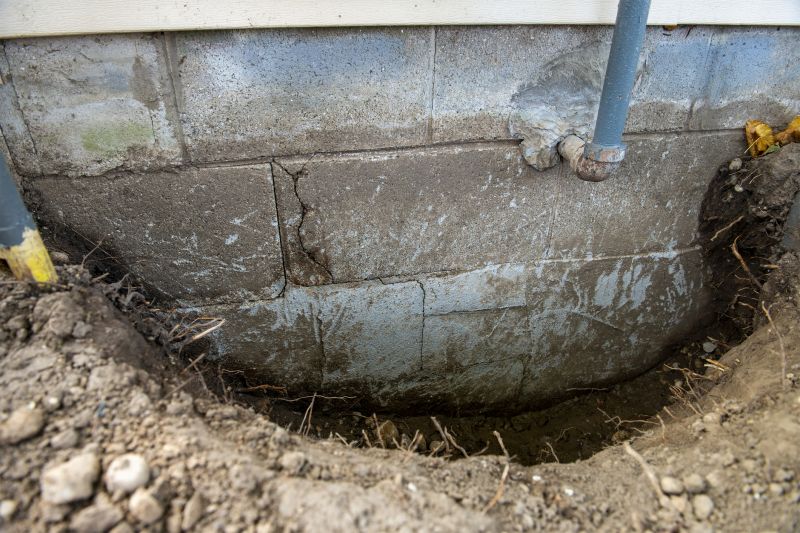
Structural engineers examine foundation conditions to detect cracks, settlement, or other signs of structural stress.
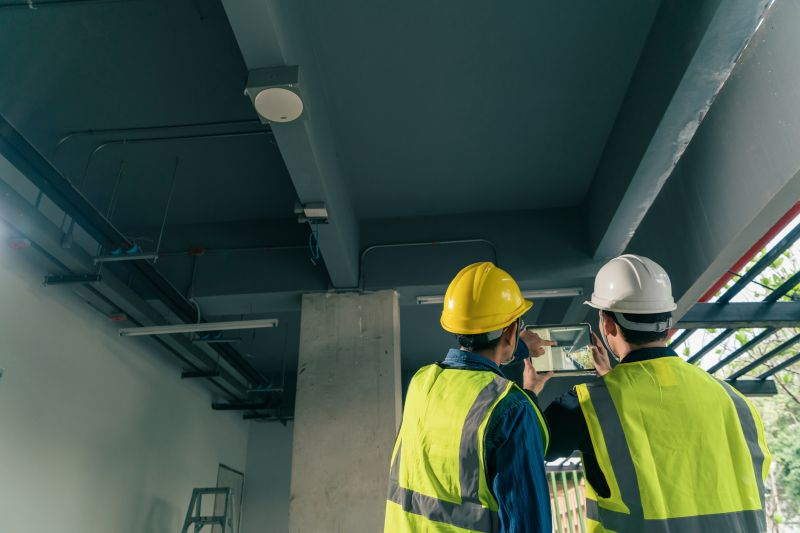
Inspection includes evaluating beams, columns, and load-bearing walls for signs of deterioration or damage.

Engineers analyze the condition of construction materials to ensure they meet safety and durability standards.
The process of a structural engineer inspection typically begins with a thorough visual examination of the entire structure. This is followed by detailed measurements, material testing, and sometimes the use of specialized tools such as laser scanners or drones for hard-to-reach areas. The inspection duration varies depending on the size and complexity of the structure but generally takes several hours to a full day. Once completed, a comprehensive report is provided, outlining any issues and recommended actions.
Hiring a professional for structural inspections ensures a detailed and accurate assessment. Experts have the experience to identify subtle signs of structural issues that might be overlooked by untrained eyes. This early detection can help prevent catastrophic failures, extend the lifespan of the structure, and avoid costly repairs in the future. Regular inspections are especially important after events such as earthquakes, storms, or significant construction work nearby.
A typical structural engineer inspection can range from a few hours to a full day, depending on the structure's complexity.
The process involves visual assessments, measurements, material testing, and sometimes advanced imaging techniques.
Professional evaluations help detect issues early, prevent safety hazards, and avoid costly repairs later.
Foundations, load-bearing walls, beams, columns, and material conditions are key focus points during inspections.

A structural engineer evaluates the stability of a building's framework.
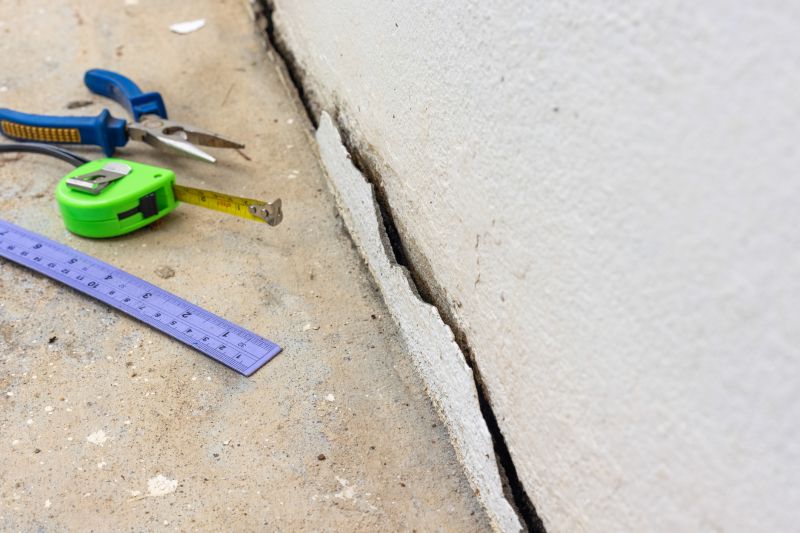
Close-up of foundation assessment to identify cracks and settlement issues.
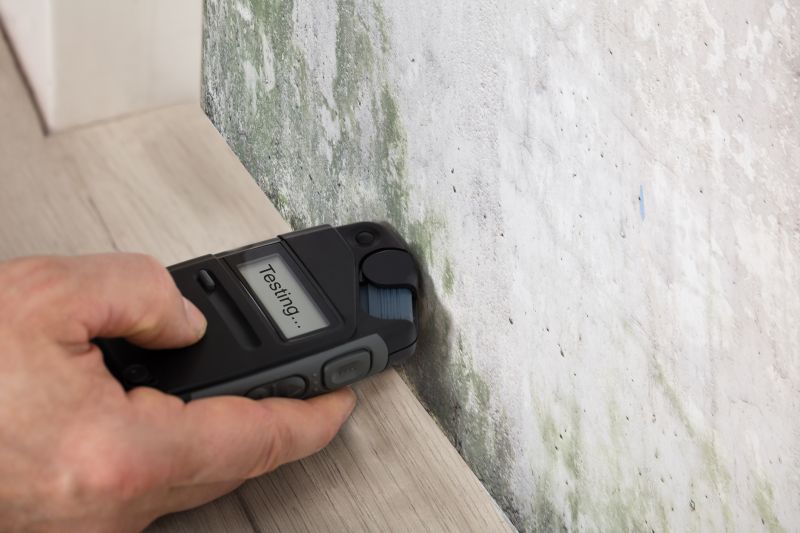
Use of specialized tools to analyze material strength and integrity.
Visual documentation of completed work shows the thoroughness of inspections and repairs. Photos often highlight repaired foundation cracks, reinforced beams, or new load-bearing elements, demonstrating the importance of professional evaluations in maintaining structural safety and compliance.
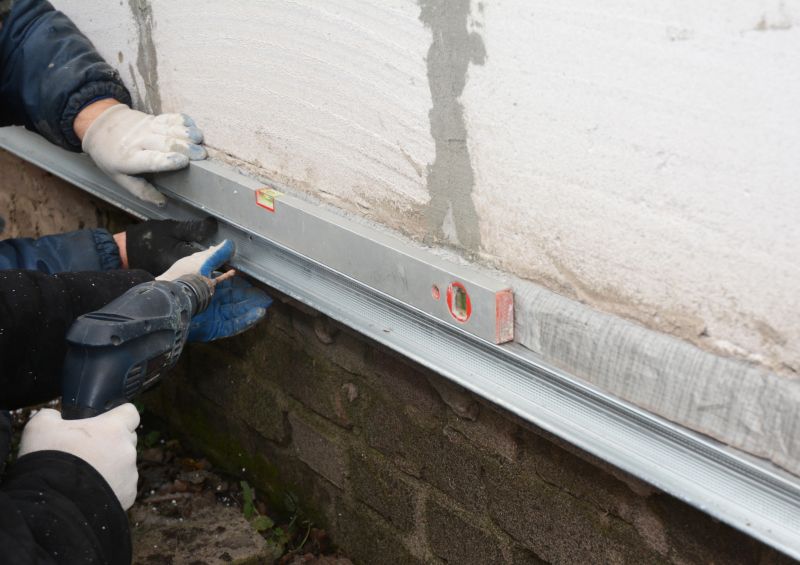
Completed reinforcement work on load-bearing walls.
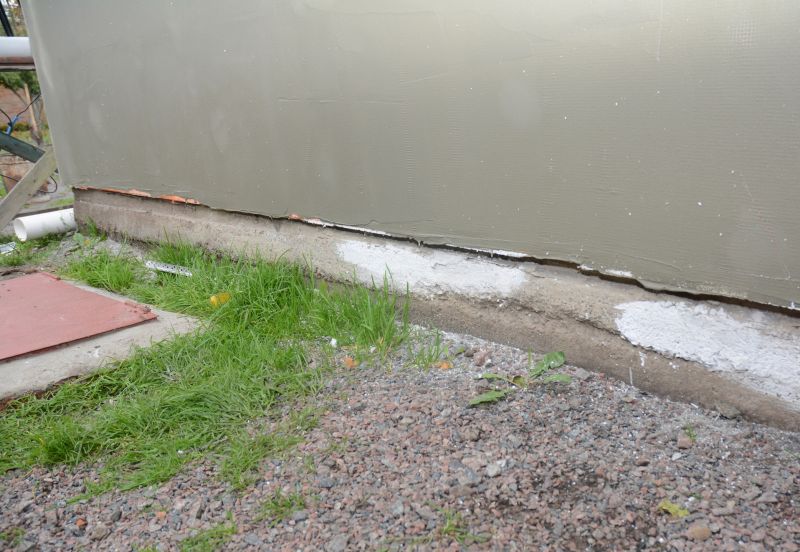
Restoration of foundation cracks with professional-grade materials.
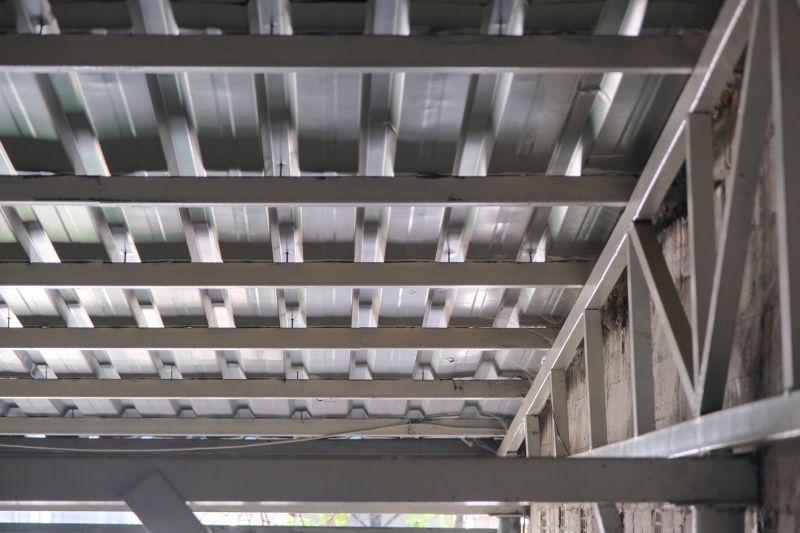
Installation of new support beams following inspection recommendations.
Interested parties seeking a detailed assessment of their property’s structural integrity are encouraged to contact for a quote. Filling out the contact form provides an opportunity to discuss specific needs, schedule inspections, and receive tailored recommendations for maintaining or upgrading structural safety.