Optimal Timing for Structural Inspections
Structural engineer inspections are essential for evaluating the integrity and safety of buildings and structures. Timing these inspections correctly can prevent costly repairs and ensure compliance with safety standards. The optimal times for inspections often depend on weather conditions, construction phases, or post-event assessments.
Performed before construction begins to assess existing conditions and plan structural requirements.
Conducted after construction completion to verify structural integrity and adherence to design specifications.
Necessary after natural events like earthquakes or storms to evaluate potential damage.
Regular inspections scheduled at intervals to monitor aging structures and prevent deterioration.
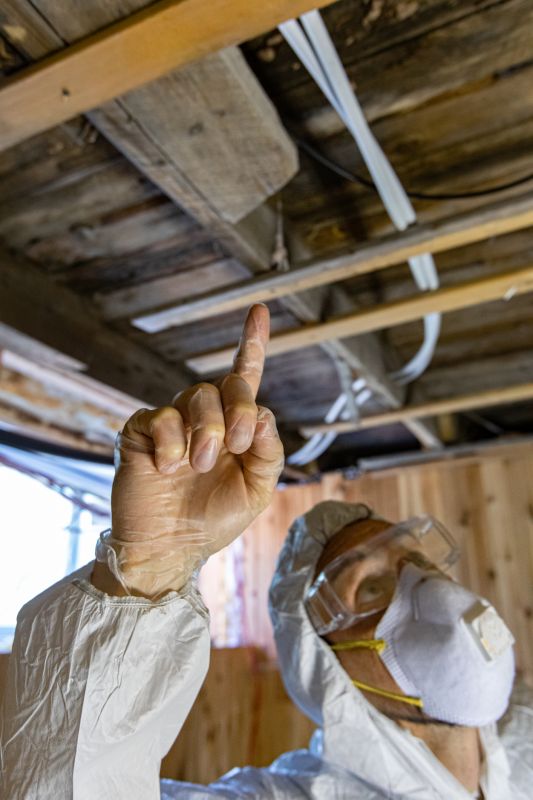
Ways to make Structural Engineer Inspections work in tight or awkward layouts.

Popular materials for Structural Engineer Inspections and why they hold up over time.

Simple add-ons that improve Structural Engineer Inspections without blowing the budget.

High-end options that actually feel worth it for Structural Engineer Inspections.

Finishes and colors that play nicely with Structural Engineer Inspections.

Little measurements that prevent headaches on Structural Engineer Inspections day.

A 60-second routine that keeps Structural Engineer Inspections looking new.

A frequent mistake in Structural Engineer Inspections and how to dodge it.
| Timing | Key Considerations |
|---|---|
| Pre-Construction | Assess existing conditions and plan structural requirements. |
| Post-Construction | Verify structural integrity and compliance after completion. |
| Post-Event | Evaluate damage following natural disasters or accidents. |
| Periodic Assessments | Monitor aging structures to prevent deterioration. |
| During Renovation | Ensure safety during modifications and upgrades. |
| Weather-Related | Inspect after storms, heavy rains, or seismic activity. |
| Design Phase | Identify potential issues early during planning. |
| Post-Repair | Confirm repairs restore structural safety. |
Structural engineer inspections provide critical insights into the safety and stability of buildings. These assessments can identify potential issues early, preventing failures and costly repairs. Regular inspections are especially important for aging structures or those exposed to harsh environmental conditions. Statistics indicate that timely inspections can reduce structural failure incidents by a significant margin, emphasizing their importance in maintaining safety standards.
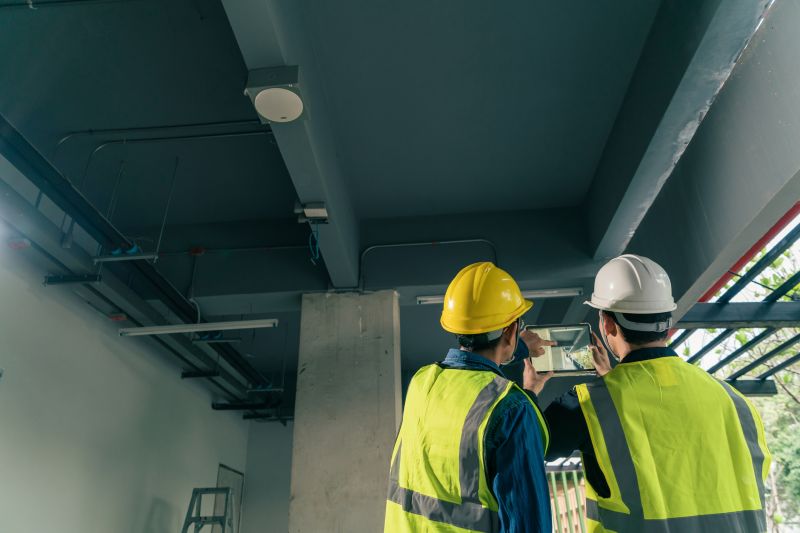
Small tweaks to make Structural Engineer Inspections safer and easier to use.

Lower-waste or water-saving choices for Structural Engineer Inspections.

The short, realistic tool list for quality Structural Engineer Inspections.
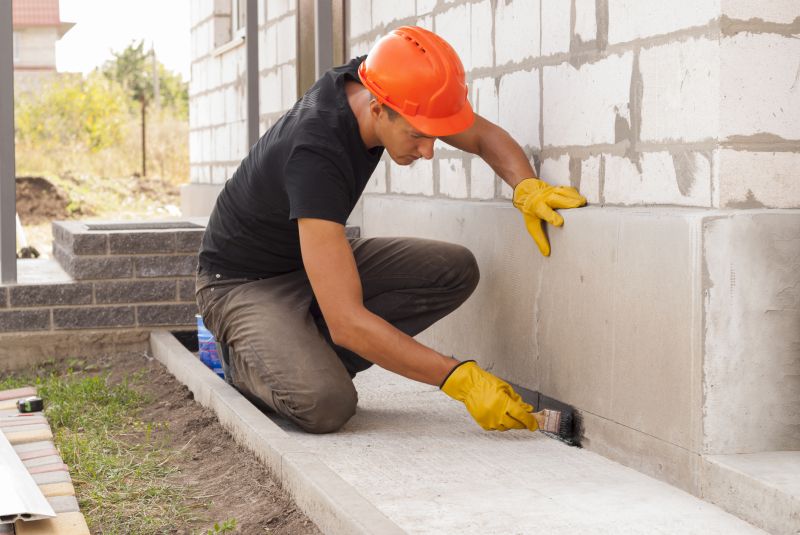
Rough timing from prep to clean-up for Structural Engineer Inspections.
Interested parties are encouraged to contact for scheduling structural engineer inspections. Proper timing and thorough assessments can safeguard investments and ensure safety. Filling out the contact form provides an opportunity to discuss specific needs and receive expert guidance on the best inspection schedule for particular structures.